One of our many specialties is combatting erosion and providing flood relief through naturalized stream restoration design. In many cases, the waterway is experiencing hydromodification issues because of upstream urban development, requiring an in-field streambank stability assessment to provide a base understanding of the geomorphic and biological condition of the stream reach. Our typical approach is to blend a multidisciplinary team of water resource engineers, restoration ecologists, environmental specialists, fluvial geomorphologists, and regulators to develop a sustainable solution that is founded on sound engineering and science. We understand the entire stream function process, which is crucial to comprehending problems and identifying long-lasting solutions.
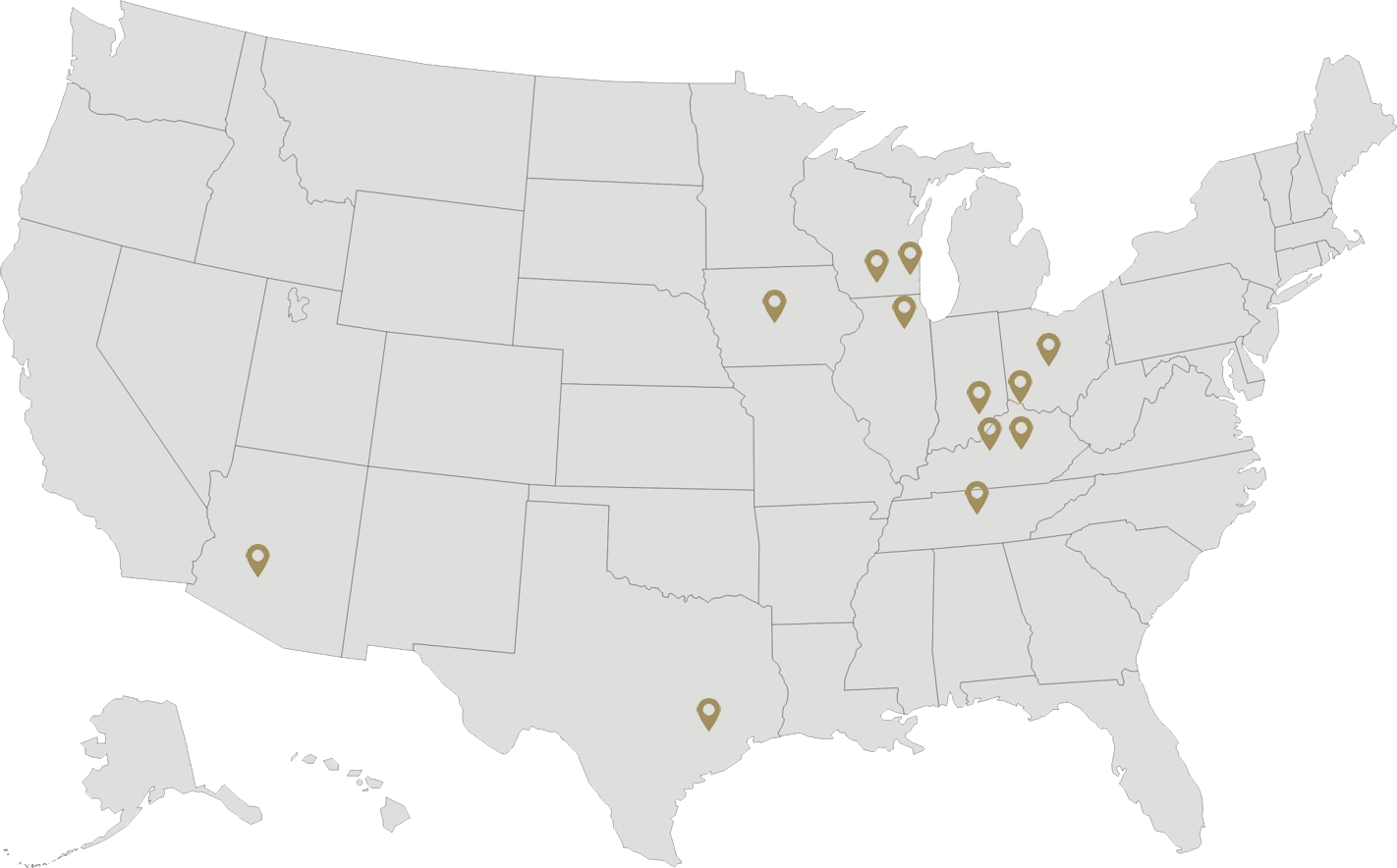
Our streambank restoration designs typically employ an appropriate combination of toe of slope, bank, and augmentive in-stream geomorphic stabilization techniques (e.g., j-hook vanes, spur dikes, riffle/pool sequence) utilizing the tenets of natural channel design and soil bioengineering. Some of our techniques include root wads, live stakes, tree revetments, lunker structures, vegetated geogrids, vegetated boulder revetments, littoral shelves, paddling access, riprap, coir fiber rolls, turf reinforcement mat (TRM), sack gabions, gabion mattress, in-stream ledge rock drops, cut-stone walls, and native plantings. We recently designed an aggregate of 20 miles of stream restoration across 26 projects in six states, ranging from 200 feet to 6 miles in length.
Contact us for more information about our Stream Restoration Services.